In CS2, a well-managed economy often makes the difference between a dominant win and a frustrating loss. While precision aim and smart tactics are essential, knowing when to buy, save, or force buy is just as critical. Economic decisions influence every round, determine your team’s equipment level, and shape the pace of the match. This guide explores how to master CS2’s economic system to improve teamwork, boost round efficiency, and maintain momentum.
The Full Buy: Equip for Success
A full buy is the moment when your team is at its strongest, armed with rifles or snipers, armor, and plenty of utility to execute strategies or hold defensive positions. These rounds are built for success — but only if the entire team participates.
When to Full Buy:
- Your team is regrouped and prepared for coordinated action.
- You need to stop the enemy's win streak and regain control.
- You're defending a lead or trying to secure the final rounds of a half.
Full buys allow teams to confidently challenge for map control, run coordinated strategies, and defend or retake sites effectively. It's essential that every player is equipped for their role — whether it’s throwing grenades to initiate an attack or anchoring a bombsite under pressure.
Save Rounds: Play the Long Game
Saving, also known as taking an eco round, is a tactical pause to preserve your economy for future rounds. Teams often save after a string of losses or when winning the next round seems unlikely. While it may seem passive, saving is a disciplined strategy that builds long-term stability.
When to Save:
- Your team cannot support a coordinated full buy.
- You’ve recently lost multiple rounds and need to recover.
- You’re preparing for a high-impact round where equipment matters most.
Even during save rounds, there’s opportunity. Pushing together for a surprise attack, attempting a bomb plant, or securing a dropped weapon can still provide value. Discipline during these rounds can break the cycle of poor buys and set the stage for a comeback.
Force Buy: Strategic Risks
A force buy involves spending your available funds on limited weapons, armor, and a few grenades, even when you can’t fully equip. It’s a gamble, but one that can disrupt the enemy and swing momentum in your favor.
When to Force Buy:
- You need to contest a crucial round and can’t afford to wait.
- The enemy’s economy is vulnerable and a win would reset them.
- You're nearing the end of a half or facing match point.
Force buys rely heavily on teamwork. Success often comes from surprise, close-range positioning, and creative plays. Stack bombsites, use what utility you have wisely, and try to isolate engagements. A successful force round doesn’t just win a round — it can shatter enemy confidence.
Communication: Teamwide Economic Planning
One of the most damaging mistakes teams make is split buying — when some players invest heavily while others save. This results in uneven strength and misaligned strategies. Proper economic management is a shared responsibility.
Coordination Tips:
- Use team communication to decide buy strategies together.
- Check teammates' funds before making purchases.
- Delay decisions briefly in the buy phase to ensure alignment.
Round planning should always begin with the economy. Agreeing on whether to buy, save, or force ensures all five players can support each other with the right weapons and utility. Consistency in buying decisions leads to more stable rounds and clearer execution.
Reading the Opponent’s Economy
Understanding the enemy’s economic state gives you an edge. Watching what weapons they carry, how aggressively they use grenades, and how they position can provide clues about whether they’re saving or force buying.
Use this information to adjust your own strategy:
- Play aggressively against low-economy teams.
- Respect potential surprises during their force buys.
- Be cautious of unexpected shifts in strategy tied to their economic status.
Awareness of your opponent’s spending patterns can help your team make informed, confident decisions that exploit their weaknesses.
Inventory Insights: Appearance Meets Performance
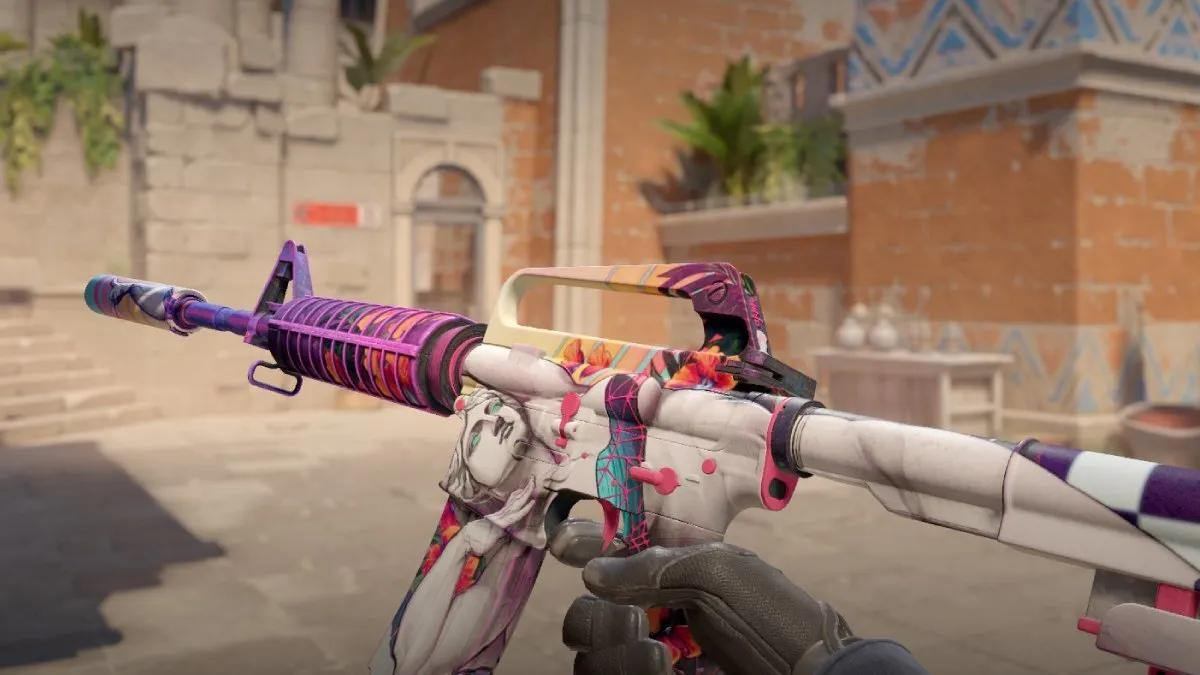
While cosmetic items don’t influence gameplay, maintaining a visually consistent and personalized inventory can elevate your in-game identity. For those looking to enhance their loadout, platforms like SkinsMonkey offer secure ways to refresh your collection and customize your appearance. A confident look often complements confident play.
Conclusion: Discipline Defines Champions
Economic management in CS2 is a game within the game — one that requires timing, communication, and strategic foresight. Learning when to buy, when to hold back, and when to risk it all can turn the tide of any match. The best teams coordinate purchases, stay disciplined in tough situations, and use their economy as a weapon.
Focus on team decisions, read the flow of the match, and you’ll gain a lasting edge not just in firepower, but in confidence and control.